Bridge Games Techniques for Better Tournament Preparation
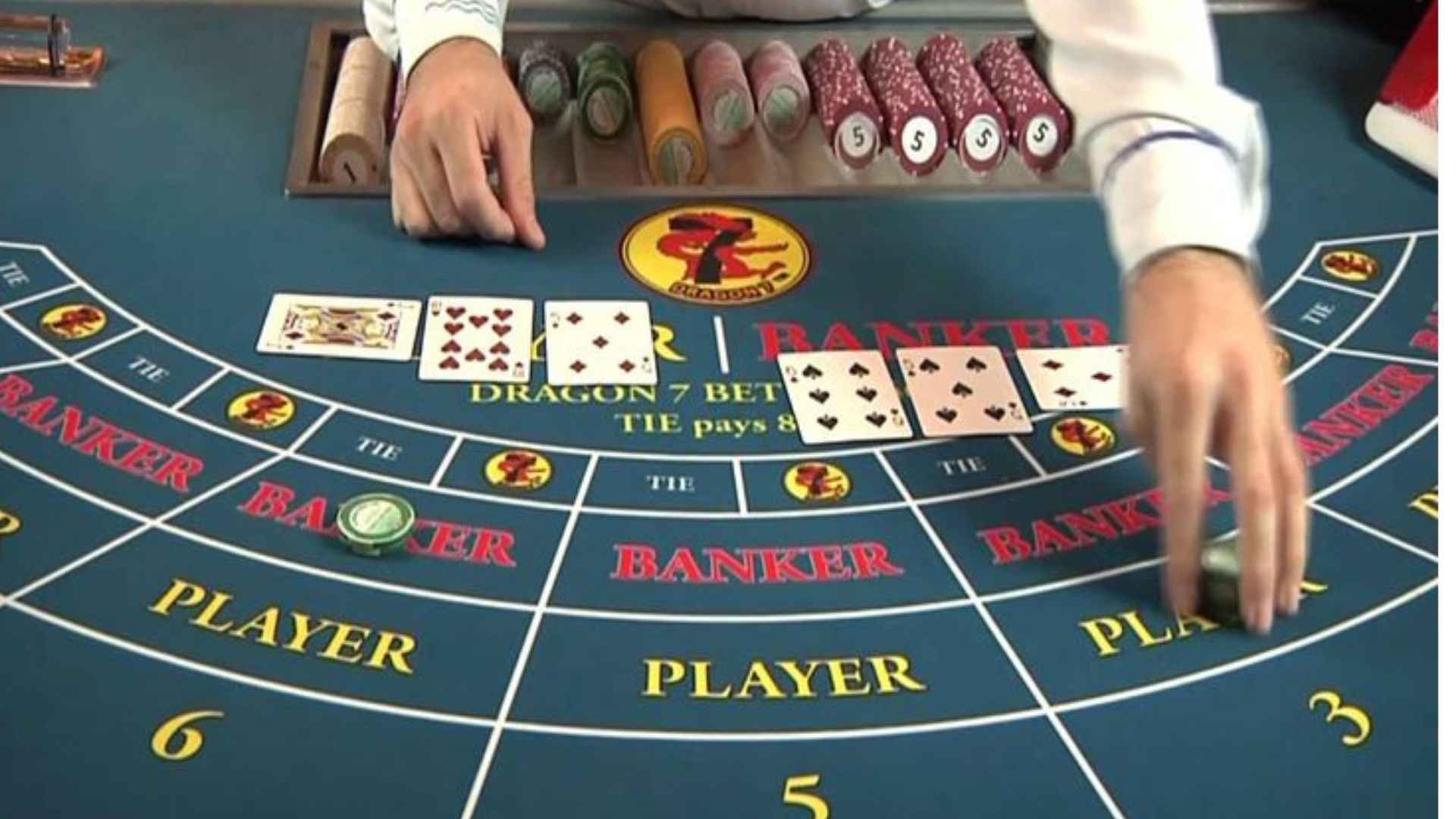
Preparing for a competitive bridge tournament requires more than just a basic understanding of card play and bidding systems. To truly excel against experienced opponents, players must adopt structured practice habits, mental endurance strategies, and clear partnership agreements. Elevating your routine before a major event can be the deciding factor between a mediocre finish and a podium placement.
Mastering Partnership Agreements and Systems
A successful tournament performance begins long before the first hand is dealt at the table. You and your partner must establish a highly detailed convention card that covers competitive bidding agreements and defensive carding signals. Resolving potential system misunderstandings beforehand reduces anxiety and prevents unforced errors during critical match points.
Many dedicated pairs spend hours running bidding simulations to test their sequences under unusual distributions. This systematic approach ensures both players interpret rare bids with absolute confidence and uniformity. To review your tactical layouts and practice key hands, visiting strategic platforms like M88 can help keep your decision-making sharp and highly analytical.
Building Mental Stamina for Multi-Day Events
Bridge tournaments are notoriously grueling, often requiring participants to maintain intense concentration over several consecutive days. Developing cognitive resilience is just as important as perfecting your standard bidding system. Incorporating regular breaks, healthy nutrition, and hydration during play can prevent late-game fatigue from ruining your scorecard.
Successful players also practice mindfulness techniques to quickly move past bad results and focus entirely on the current hand. Lingering on a previous bidding mistake only leads to compounded errors in subsequent rounds. Maintaining emotional balance under pressure is a hallmark of elite competitive partnerships.
Analyzing Past Hands for Continuous Improvement
Post-mortem analysis is one of the most effective ways to discover systematic weaknesses in your partnership. After each practice session, take the time to review challenging hands where the defense or declaration did not go as planned. Discussing these situations objectively allows you and your partner to refine your strategies without assigning blame.
Tracking your performance metrics over time helps identify patterns in your decision-making that may need adjustment. Focus particularly on your opening leads and defensive signals, as these are the areas where many matches are won or lost. Consistent self-evaluation ensures your game remains dynamic, adaptable, and ready for any tournament challenge.